Why Are My Neck and Shoulders Always Tight?
Neck and shoulder tightness is one of the most common reasons people seek massage therapy. For some people, it develops after a long day at a desk. For others, it may be related to exercise, repetitive work, stress, an old injury, or simply spending too much time in the same position.
While occasional muscle tension is normal, recurring tightness can become frustrating—especially when stretching or changing positions only provides temporary relief.
At Okanagan Integrative Health in West Kelowna, our Registered Massage Therapists work with patients experiencing neck and shoulder tension, soreness, stiffness, and other musculoskeletal concerns. Treatment is individualized based on your symptoms, activities, preferences, and goals.
What Causes Neck and Shoulder Tension?
There usually isn't one single cause of muscle tightness. Several factors may contribute at the same time.
Prolonged Sitting and Desk Work
Working at a computer for hours can place sustained demands on the muscles around the neck, shoulders, and upper back.
The problem isn't necessarily that there is one “perfect” posture you need to maintain. Instead, staying in any position for long periods of time can become uncomfortable.
Regular changes in position, movement breaks, and an appropriately arranged workstation can often help.
Stress
Many people notice that they hold tension through their shoulders during stressful periods.
Stress can influence muscle activity, sleep quality, breathing patterns, and how sensitive we are to discomfort. This can contribute to the feeling that your shoulders are constantly elevated or your neck muscles never fully relax.
Exercise and Training
Weight training, golf, swimming, cycling, racquet sports, and many other activities place demands on the muscles surrounding the neck, shoulder blades, and shoulders.
Muscle soreness after exercise isn't necessarily a problem, but changes in training volume, repetitive movements, or inadequate recovery can sometimes contribute to persistent discomfort.
Repetitive Work
People who perform repetitive reaching, lifting, carrying, or overhead work may develop soreness through the shoulders and upper back.
This can be particularly noticeable in occupations that require the same movements repeatedly throughout the workday.
Previous Injuries
A previous neck, shoulder, or upper-back injury may also influence how an area feels or moves.
For example, someone recovering from a shoulder injury may temporarily use surrounding muscles differently, which can contribute to secondary muscle tension.
Where Does Neck and Shoulder Tightness Usually Occur?
Several muscles commonly contribute to the sensation of neck and shoulder tension.
These may include the:
- upper trapezius
- levator scapulae
- rhomboids
- cervical muscles
- muscles around the shoulder blade
- rotator cuff muscles
- upper thoracic muscles
However, the area that feels tight isn't always the only area worth assessing.
Your massage therapist may also look at shoulder movement, upper-back mobility, daily activities, training habits, and other factors that could be contributing to your symptoms.
Can Massage Therapy Help Neck and Shoulder Tension?
Massage therapy may help reduce muscle soreness and tension while temporarily improving comfort and range of motion.
Depending on your needs, your Registered Massage Therapist may use a combination of techniques such as:
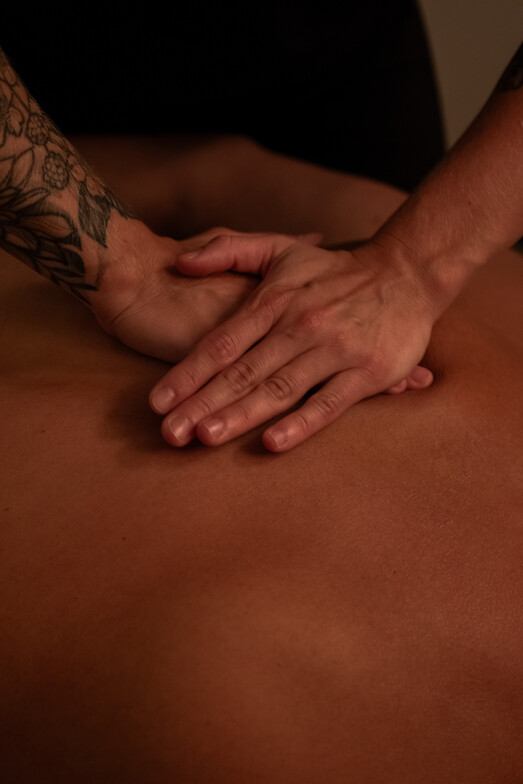
Therapeutic Massage
Therapeutic massage typically focuses on specific areas of discomfort or muscle tension while still considering the surrounding muscles and joints.
Pressure and treatment techniques can be adjusted according to your comfort level.
Deep Tissue Massage
Deep tissue massage uses firmer pressure and may be appropriate for patients who prefer a stronger treatment approach.
Deeper pressure isn't automatically better, however. Your massage therapist can modify treatment depending on the area being treated and how your body responds.
Soft Tissue Techniques
Your therapist may use different hands-on techniques to work with muscles and connective tissues around the neck, shoulders, and upper back.
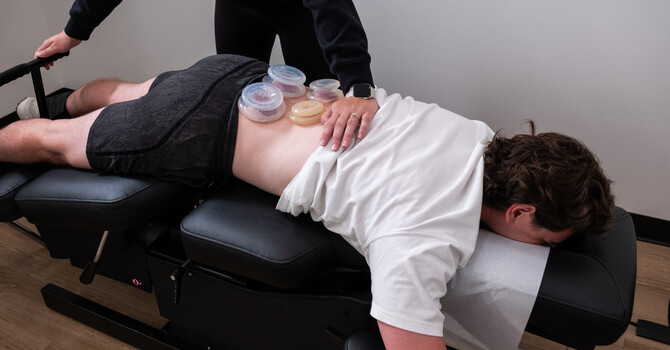
Cupping
Cupping may be incorporated into some massage therapy appointments depending on your therapist's training, your preferences, and whether it is appropriate for your treatment plan.
Stretching and Movement
Massage treatment may also include stretching, mobility exercises, or recommendations for movement between appointments.
Massage Therapy Isn't Just About the Area That Hurts
One of the benefits of an individualized assessment is that treatment doesn't necessarily need to focus only on the exact place where you feel discomfort.
For example, shoulder tension may be influenced by:
- upper-back mobility
- shoulder movement
- repetitive activity
- training load
- prolonged sitting
- sleep
- stress
- work demands
Your therapist can discuss these factors with you and determine what may be worth addressing during treatment.
What Can I Do Between Massage Appointments?
Massage therapy can be one component of managing recurring muscle tension, but your daily habits also matter.
A few simple strategies may help.
Change Positions Regularly
Instead of trying to maintain one perfect posture throughout the day, change positions frequently.
Stand up, walk around, stretch, or adjust your workstation periodically.
Keep Moving
Regular exercise and movement are generally beneficial for musculoskeletal health.
That doesn't necessarily mean avoiding activity whenever you're sore. Depending on the situation, modifying the intensity or duration of an activity may be more useful than stopping completely.
Review Your Workspace
If you spend most of the day at a computer, small ergonomic changes may improve comfort.
Consider monitor height, chair position, keyboard placement, and how frequently you take movement breaks.
Manage Training Load
If your symptoms started after increasing your workouts, adding a new activity, or dramatically increasing training volume, your body may simply need time to adapt.
Gradual progression is often easier to tolerate than sudden increases.
Prioritize Recovery
Sleep, nutrition, activity levels, and stress can all influence how your body feels.
No single recovery strategy fixes everything, but maintaining healthy routines can support your overall recovery.
When Should Neck or Shoulder Pain Be Assessed Further?
Muscle tension is common, but not every case of neck or shoulder pain is simply tight muscles.
Consider seeking further assessment if your symptoms include:
- significant weakness
- numbness or tingling
- pain travelling into the arm or hand
- symptoms following significant trauma
- progressively worsening pain
- unexplained swelling
- fever or feeling generally unwell
- difficulty using the arm normally
- symptoms that aren't improving as expected
Depending on your symptoms, another healthcare provider such as a chiropractor may be more appropriate or may work alongside your massage therapist.
Massage Therapy in West Kelowna
At Okanagan Integrative Health, our Registered Massage Therapists provide individualized massage therapy for people experiencing muscle tension, soreness, stiffness, activity-related discomfort, and other musculoskeletal concerns.
Whether your neck and shoulder tension is associated with desk work, training, repetitive activity, stress, or everyday life, your therapist will discuss your concerns and tailor treatment to your needs and preferences.
Looking for massage therapy in West Kelowna? You can learn more about our Massage Therapy services or book an appointment with one of our Registered Massage Therapists.